01
Self-regulation, autonomy and executive functioning
The ability to organise time, take on responsibilities, manage emotions and maintain appropriate behaviour during periods with more flexible routines.

The holidays are a period of rest, but they can also mean the loss of habits that support well-being and learning. The ENHV makes it possible to identify which routines are maintained, which ones weaken and how to support families more effectively during this period.
 AUTHORS
Habilmind R&D&i team
Design, development and validation of the assessment.
Group and individual.
Access through a unique key and anonymous responses from families.
Approx. 10 min.
For any of the three levels.
From 3 to 18 years.
Completed by parents with children aged 3 to 18
 Spanish
3 levels of administration
The holidays represent one of the longest periods spent outside the school environment. During these weeks, children and adolescents experience significant changes in their daily routines, which can encourage rest and personal growth, but may also lead to the loss of habits that are essential for their well-being and learning.
Aspects such as sleep schedules, diet, physical activity, screen time, cognitive stimulation and social relationships tend to change during this period. When these habits weaken, difficulties may arise that affect emotional well-being, the transition back to school and the continuity of learning processes.
The Neuroemotional Holiday Habits Scale (ENHV) shows how pupils have experienced their holidays, identifying protective habits and possible areas for improvement. This information helps families and schools to better understand the impact of holiday experiences, strengthening collaboration between them and promoting healthy development beyond the classroom.
Sleep schedules
Physical activity
Screens
Social relationships
The ENHV is a tool designed to assess the habits and experiences that children and adolescents maintain during holiday periods, based on the information provided by their families. It analyses key aspects related to self-regulation, autonomy, cognitive and creative enrichment, interpersonal relationships, a healthy lifestyle and digital leisure habits.
This information makes it possible to understand how the holidays are influencing pupils' emotional, cognitive, physical and social well-being, identifying strengths and possible areas for improvement. It also gives families practical guidance on protective habits and provides schools with an overall view that helps them support their pupils and prepare their return to the school environment.
Assessment
Improvement
The ENHV makes it possible to identify and mitigate situations that may affect pupils' well-being and performance after holiday periods.
Early detection of the decline in routines related to reading, learning and cognitive stimulation.
Identification of factors that may hinder the transition between the holidays and the school routine.
Assessment of changes in sleep, diet and physical activity habits that influence overall well-being.
Detection of usage patterns that may affect rest, concentration and social relationships.
Identification of factors related to irritability, lack of motivation, apathy or difficulties adapting after the holidays.
Detection of long periods with low participation in activities that support learning and intellectual development.
The loss of protective habits and routines during the holidays can have a negative impact on school performance.
The assessment provides a shared understanding of holiday habits, strengthening collaboration to support pupils' well-being and development.
The ENHV analyses 5 fundamental indicators that make it possible to understand how children and adolescents experience the holiday period and how it influences their emotional, cognitive, physical and social well-being.
The ability to organise time, take on responsibilities, manage emotions and maintain appropriate behaviour during periods with more flexible routines.
Interest in learning, exploring, creating and taking part in activities that stimulate thinking, imagination and the development of new skills.
The quality of family and social relationships, as well as participation in shared activities, living together and social skills.
Habits related to sleep, diet, physical activity, hygiene and the organisation of routines that support overall well-being.
The relationship with screens and digital devices, looking at the balance between the use of technology and other enriching activities typical of childhood and adolescence.
These indicators offer a complete view of holiday habits and of the factors that influence the healthy development of children and adolescents.
It supports working with families beyond term time, providing valuable information to promote well-being and all-round development during the holidays.
It strengthens comprehensive care for pupils and their families, offering a complementary view of the factors that influence well-being and adaptation to the return to school.
A supportive tool that helps them understand and strengthen the habits that foster their children's emotional, cognitive, physical and social development during the holidays.
It provides useful information to prepare the return to school, making it easier to understand how holiday habits can influence pupils' adaptation, well-being and learning.
The ENHV makes it easy for families to take part during the holiday period through a straightforward access system, and generates useful information for both families and the school.
Each family can complete the assessment using a unique key and download their individual report once the process is finished.
The school has a dashboard with anonymised information on the average results obtained, bearing in mind that no family is identified.
The school enables permissions over the summer so that families can complete the assessment independently.
Each family receives a clear, visual report with the indicators assessed, an explanation of the results and practical recommendations for supporting their child.
Tap an image to enlarge it and zoom in
Assessment tools based on scientific research, developed together with the most prestigious universities in Spain.







More than 20 leading figures in psychology, pedagogy and educational assessment.
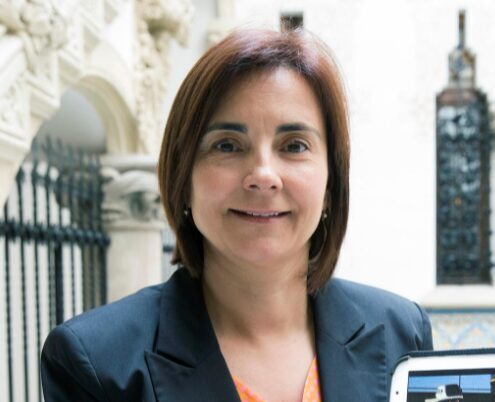
Professor at the University of Lleida. Department of Pedagogy and Psychology.
Learn more
Psychologist, director of our R&D&i department and co-author of several Habilmind tools.
Learn more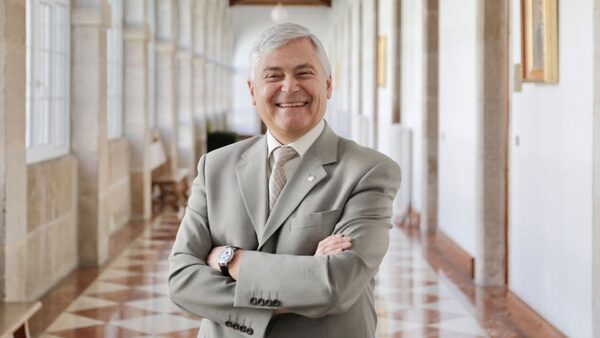
Professor at the University of Barcelona, regarded as the leading Spanish-speaking expert in emotional education.
Learn more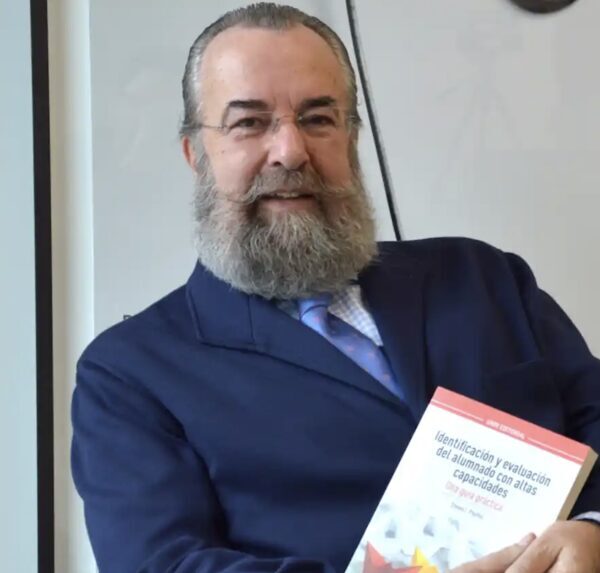
Professor at the Universidad Internacional de La Rioja and the leading Spanish-speaking expert in the study of high abilities.
Learn more
Author of the most widely used cognitive test in the Spanish-speaking world for more than 30 years: BADYG.
Learn more
Author, together with Carlos Yuste, of the most recent cognitive batteries on the Habilmind platform.
Learn more
Author of the renowned Socioemociograma and researcher at various Spanish universities.
Learn more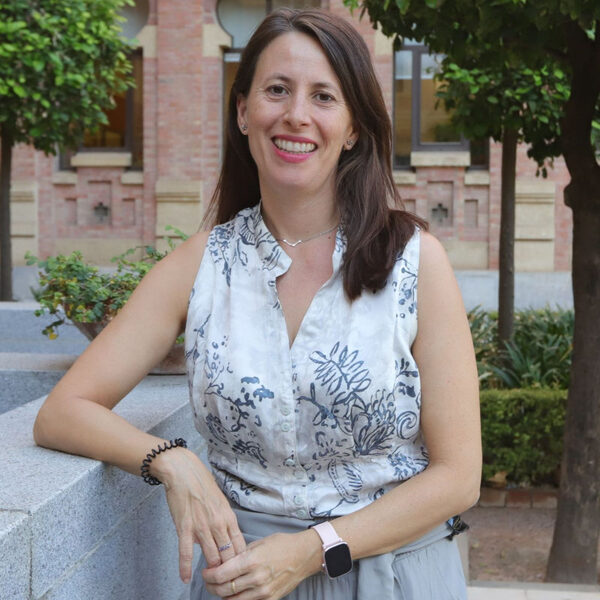
Expert in addictions and senior lecturer at the University of Córdoba.
Learn more
Author of the book "Convivencia Familiar Inteligente" and expert in living together.
Learn more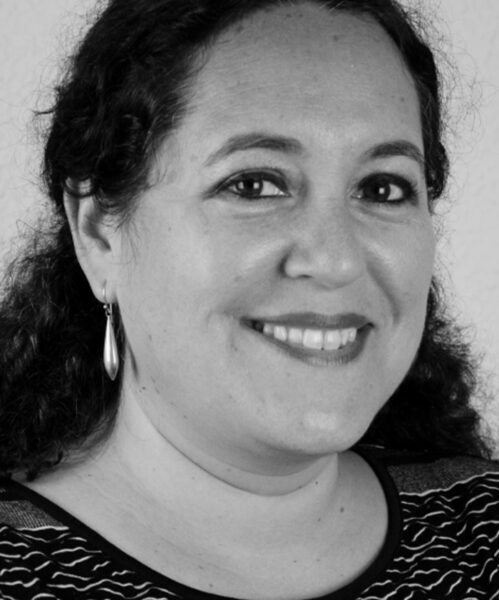
Author of the Screening Visual, the most widely used online optometric screening test.
Learn more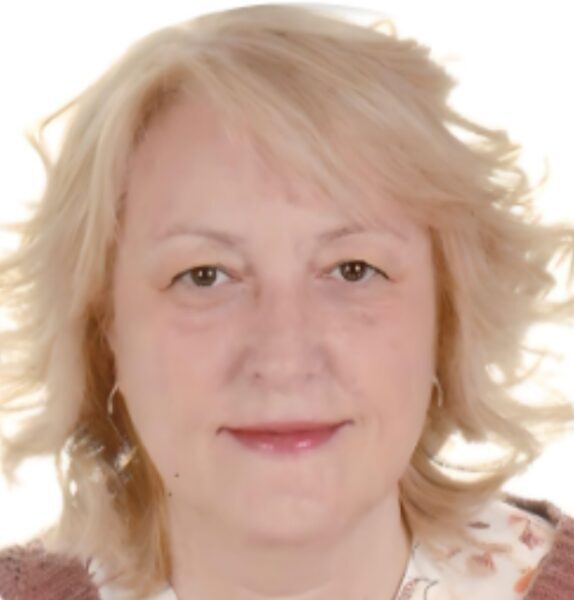
Counsellor at a state secondary school and expert in teachers' emotional competences.
Learn more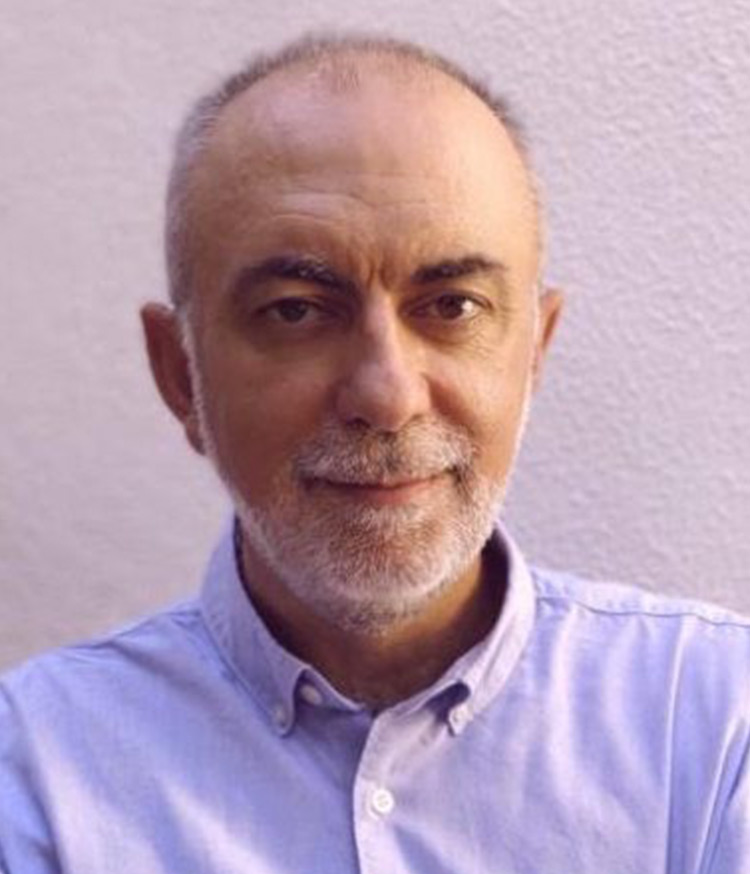
Professor, researcher and speaker specialising in child clinical psychology and ADHD.
Learn moreProfessor at the University of Lleida. Department of Pedagogy and Psychology.
Learn morePsychologist, director of our R&D&i department and co-author of several Habilmind tools.
Learn moreProfessor at the University of Barcelona, regarded as the leading Spanish-speaking expert in emotional education.
Learn moreProfessor at the Universidad Internacional de La Rioja and the leading Spanish-speaking expert in the study of high abilities.
Learn moreAuthor of the most widely used cognitive test in the Spanish-speaking world for more than 30 years: BADYG.
Learn moreAuthor, together with Carlos Yuste, of the most recent cognitive batteries on the Habilmind platform.
Learn moreAuthor of the renowned Socioemociograma and researcher at various Spanish universities.
Learn moreExpert in addictions and senior lecturer at the University of Córdoba.
Learn moreAuthor of the book "Convivencia Familiar Inteligente" and expert in living together.
Learn moreAuthor of the Screening Visual, the most widely used online optometric screening test.
Learn moreCounsellor at a state secondary school and expert in teachers' emotional competences.
Learn moreProfessor, researcher and speaker specialising in child clinical psychology and ADHD.
Learn moreFind in one place the documentation on data protection, privacy, security and compliance that underpins the trust of the schools working with Habilmind.
See more
Discover how the ENHV helps to strengthen the habits that support your pupils' well-being and development beyond term time.
Pricing